Loading...
Serving Kendall, FL and surrounding areas. (786) 946-0962
Kendall Concrete & Masonry works with Homestead homeowners on concrete block walls, masonry restoration, foundation repair, and driveway work on the CBS homes rebuilt throughout this city after Hurricane Andrew. We have served this area since 2020 and respond to every new request within one business day.
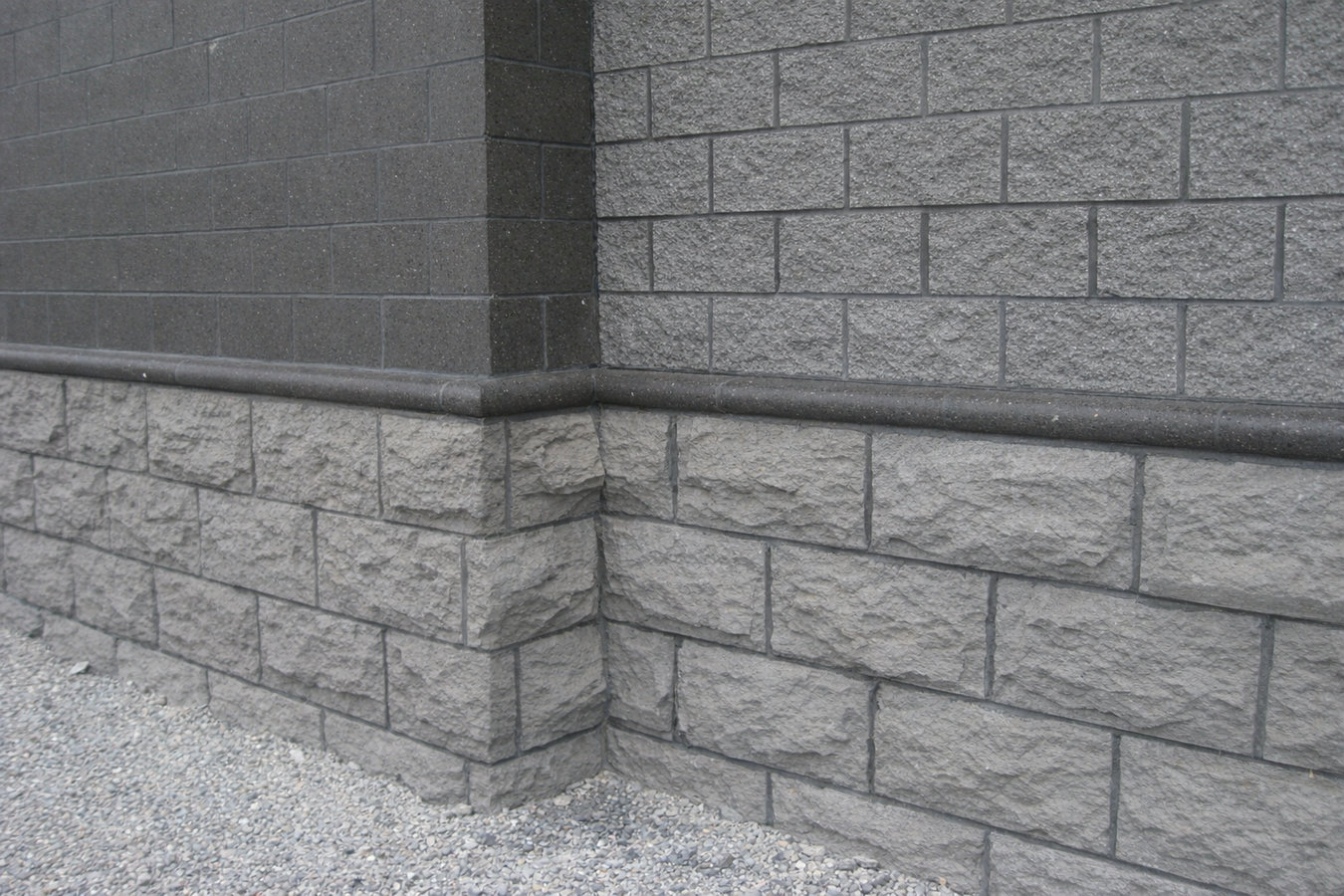
Homestead homeowners use concrete block walls for property perimeters, privacy screens, and windbreaks - all of which have to meet Miami-Dade County's strict wind-load requirements given the city's direct exposure to hurricane-force winds. Our concrete block wall work in Homestead accounts for the local building code, the flat lot conditions, and the need for properly reinforced construction that holds through a major storm season.
Most homes in Homestead were built in the mid-1990s after Hurricane Andrew and are now entering the 25-to-30-year mark where foundation cracking and settlement become more common. The flat terrain and wet-dry soil cycles in southern Miami-Dade place stress on foundations year after year, and catching movement early is almost always less expensive than addressing it after the damage spreads.
The heat, humidity, and daily UV exposure in Homestead are relentless - stucco finishes and exterior surfaces that were fresh when the post-Andrew homes were built are now showing real wear. Restoration work on Homestead properties addresses the block and mortar underneath, not just the surface coat, so the repaired section holds up through future storm seasons rather than needing attention again within a few years.
Poured concrete driveways on Homestead properties that have been in place since the mid-1990s are at the age where cracking, heaving, and surface deterioration are common. Replacing aging concrete with pavers improves drainage on flat lots where water tends to pool rather than run off, and the individual paver units can be replaced without tearing out the entire surface if damage is localized.
Mortar joints and brick faces on Homestead properties take a beating from the summer rainy season and the intense heat that follows. Failed mortar is one of the most common entry points for moisture into a CBS wall, and tuckpointing the joints before they open fully stops water intrusion at a fraction of the cost of dealing with water damage inside the wall cavity.
Flat Homestead lots and heavy summer rains create drainage challenges for concrete walkways and patios, which can develop standing water issues and crack as soil moisture changes with the seasons. New walkways and patios built with the right base preparation and slope handle Homestead's rainfall without pooling and hold up through the wet seasons without the heaving that afflicts older flatwork.
Homestead carries a specific history that shapes its housing stock in ways that matter for masonry work. When Hurricane Andrew struck in August 1992 as a Category 5 storm, it leveled most of the city. The rebuilding effort that followed produced a city where the vast majority of standing homes were built between 1993 and the mid-2000s - all under Florida's significantly upgraded post-Andrew building codes. Those codes required stronger roof-to-wall connections, better block reinforcement, and stricter wind-resistance standards than anything that had existed before. The result is a city full of homes that were built tough, but those same homes are now 25 to 30 years old. That is the age when roofing, driveways, exterior stucco, and mortar joints begin to show the accumulated effects of thousands of wet-dry cycles, intense UV, and annual hurricane seasons.
Homestead's location at the southern tip of Miami-Dade County means it sits on some of the flattest, most moisture-retentive land in the region. The city is bordered on the west by the Everglades and on the east by Biscayne National Park - both are wetland systems whose water table affects soil conditions throughout the city. The sandy and marl-based soil common in this part of Miami-Dade expands when wet and contracts when dry, and that seasonal movement is a primary cause of concrete cracking, block wall settlement, and driveway heaving. A masonry contractor working in Homestead needs to understand how that soil behaves across a full year, not just how to patch the damage it causes. Miami-Dade County building codes reflect this reality, and structural work here has to meet some of the highest load requirements in the country.
Our crew works throughout Homestead regularly, and we understand the local conditions that affect masonry contractor work here. Structural masonry jobs in Homestead require permits through the City of Homestead Building Department, which operates on its own schedule separate from Miami-Dade County, and we file and track permit applications for every project that requires one so our customers do not have to navigate that process on their own.
We work in Homestead's established neighborhoods closer to downtown on the north side, in the newer subdivisions like Waterstone and similar communities that have grown along the city's eastern and northern edges, and in properties near Homestead Air Reserve Base, where families moving in or out often need repair and update work done quickly. US-1 and Krome Avenue are the main roads we use to get to job sites across the city. The entrance to Everglades National Park sits just west of the city, and the homes in that direction consistently deal with higher moisture exposure and soil movement than those further north - something we account for in material choices on those specific jobs.
We also serve neighboring Tamiami, which shares Homestead's CBS construction stock and the high-water-table conditions that affect masonry throughout southern Miami-Dade, as well as Cutler Bay, just to the north along US-1.
Reach us by phone or through the contact form on our website. We respond to every new inquiry within one business day. Tell us what you are seeing - cracks in the block wall, a driveway that has heaved, stucco that is peeling or hollow - and we will schedule a visit.
We come to your Homestead property at no charge, inspect the damage or project area in person, and give you a written estimate before any work starts. This is when we confirm whether a City of Homestead permit is needed and give you an honest picture of what repair versus replacement makes sense for what we find. There is no obligation after the estimate.
Our crew arrives on the scheduled date and completes the work. Concrete block wall installation typically runs three to seven days depending on scope. Surface repairs like tuckpointing or stucco restoration on a standard Homestead home usually take one to three days. We keep the work area clean and the site accessible throughout.
We walk the completed work with you before leaving and answer questions about what was done and what to expect from the repaired or new surface. For permitted projects, we schedule the required City of Homestead inspection and confirm it passes. Contact us any time after that if something needs attention.
We serve all of Homestead, FL. Free on-site estimates, no obligation, and replies within one business day.
(786) 946-0962Homestead is a city of about 75,000 people at the southern end of Miami-Dade County, sitting at the gateway to both Everglades National Park to the west and Biscayne National Park to the east. The city was almost entirely rebuilt after Hurricane Andrew struck directly in 1992, which means most of its residential neighborhoods - from the older streets near downtown to newer subdivisions on the city's eastern edge - date from the mid-1990s forward. The housing stock is overwhelmingly single-family CBS construction with stucco exteriors and tile or shingle roofs, built to the post-Andrew Florida building code. Homestead Air Reserve Base on the eastern edge of the city is a significant employer and brings a steady mix of military families to the area. Landmarks like Homestead-Miami Speedway and the community-loved Fruit and Spice Park are fixtures of local life that residents throughout the city know well.
The city is organized around US-1 running north-south and Krome Avenue running east-west. Neighborhoods on the western side, closest to the Everglades, deal with higher moisture exposure year-round than those on the drier eastern edge near the base. Homestead borders Cutler Bay to the north and connects to Tamiami along the US-41 corridor - both communities share Homestead's building stock, climate conditions, and masonry maintenance needs.
Build strong retaining walls that hold soil and prevent erosion.
Learn MoreBring aging brick, stone, and block surfaces back to like-new condition.
Learn MoreAdd a custom masonry fireplace that becomes the centerpiece of your home.
Learn MoreConstruct solid, long-lasting concrete block walls for any application.
Learn MoreBuild a reliable block wall foundation that supports your structure.
Learn MoreInstall classic brick walls that deliver timeless style and durability.
Learn MoreCall us today or submit a request online - we cover all of Homestead and respond within one business day.